

When you look through photos of Hawaii, two very different versions of paradise often appear.
There are the familiar images of turquoise water, swaying palms, and white-sand beaches. Then there are the dramatic photographs of glowing red lava, fiery fountains, and black volcanic landscapes.
If you have never been to Hawaii, it is easy to wonder: Is this really a place where tropical paradise and active volcanoes exist side by side?
The answer is yes; but perhaps not quite in the way those dramatic photographs suggest.
The Hawaiian Islands were shaped by volcanic activity, and the Big Island is still home to active volcanoes. Across the island, you can see vast fields of hardened lava, enormous craters, and landscapes created by eruptions over many generations.
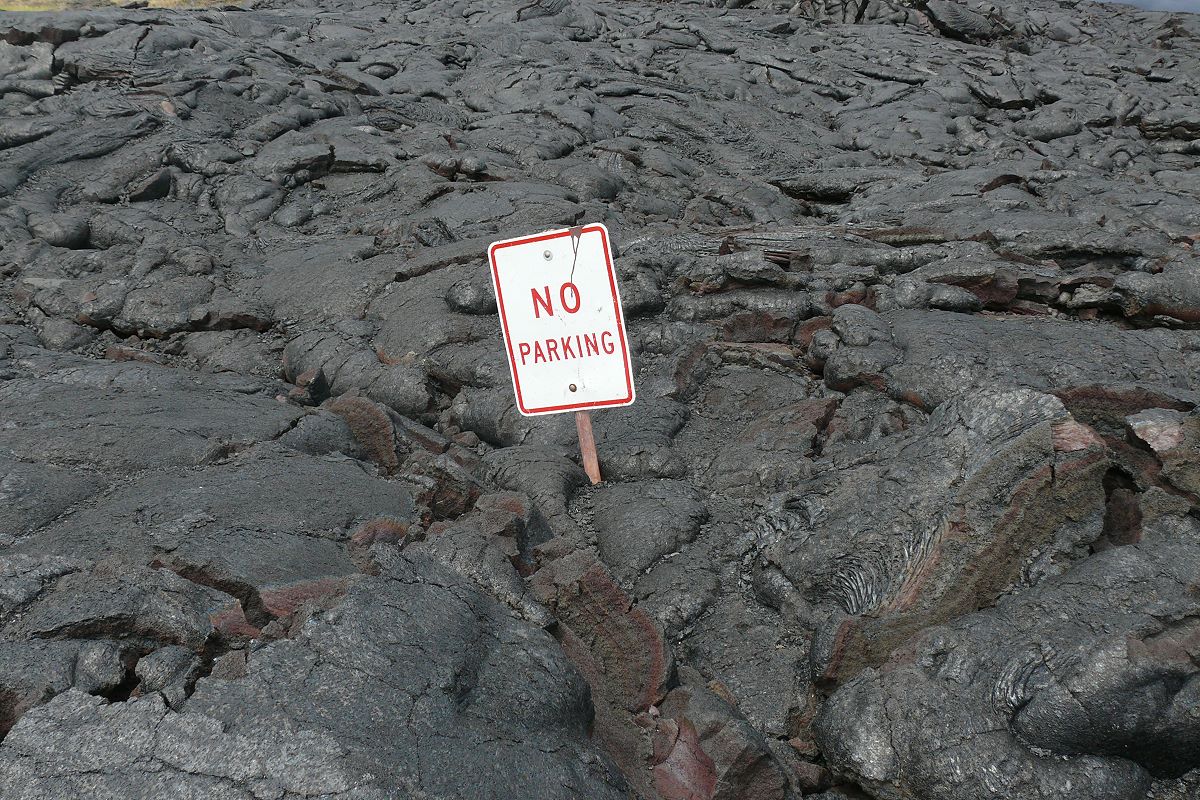
But glowing red lava is not flowing everywhere, all the time. Volcanic activity changes from one period to another. There are times when visitors can witness active lava, and other times when there may be no visible glow at all.
Nor is the entire Big Island one continuous hazardous volcanic zone. This is the largest island in Hawaii, and its resort areas, beaches, towns, and volcanic landscapes can be separated by considerable distances. Volcanic activity is closely monitored, and access to affected areas is managed according to current conditions.
So a visit to the Big Island should not be thought of as a journey into a dangerous volcano. By staying within designated visitor areas and following safety guidance, travelers can experience one of Hawaii’s most extraordinary landscapes up close.
At the heart of that experience is Hawaii Volcanoes National Park.
Whether you see glowing lava depends on what the volcano is doing that day. But the remarkable Hawaiian landscape that lava created is always there.
Getting from Oahu to the Big Island
Flying is the easiest way to travel from Oahu to the Big Island. A flight from Honolulu to Hilo takes roughly 45 to 50 minutes.
Interisland service is available on airlines including Southwest Airlines and Alaska Airlines/Hawaiian Airlines.

The Big Island has two main airports: Kona International Airport (KOA) on the west side and Hilo International Airport (ITO) on the east.
If Hawaii Volcanoes National Park is the main focus of your trip, Hilo is the more convenient gateway. The drive from Hilo to the park is about 45 minutes, while traveling from Kona generally takes more than two hours each way.
For travelers visiting the volcano as a day trip from Oahu, flying from Honolulu into Hilo usually makes the most sense.
A Small, Easy-to-Navigate Airport
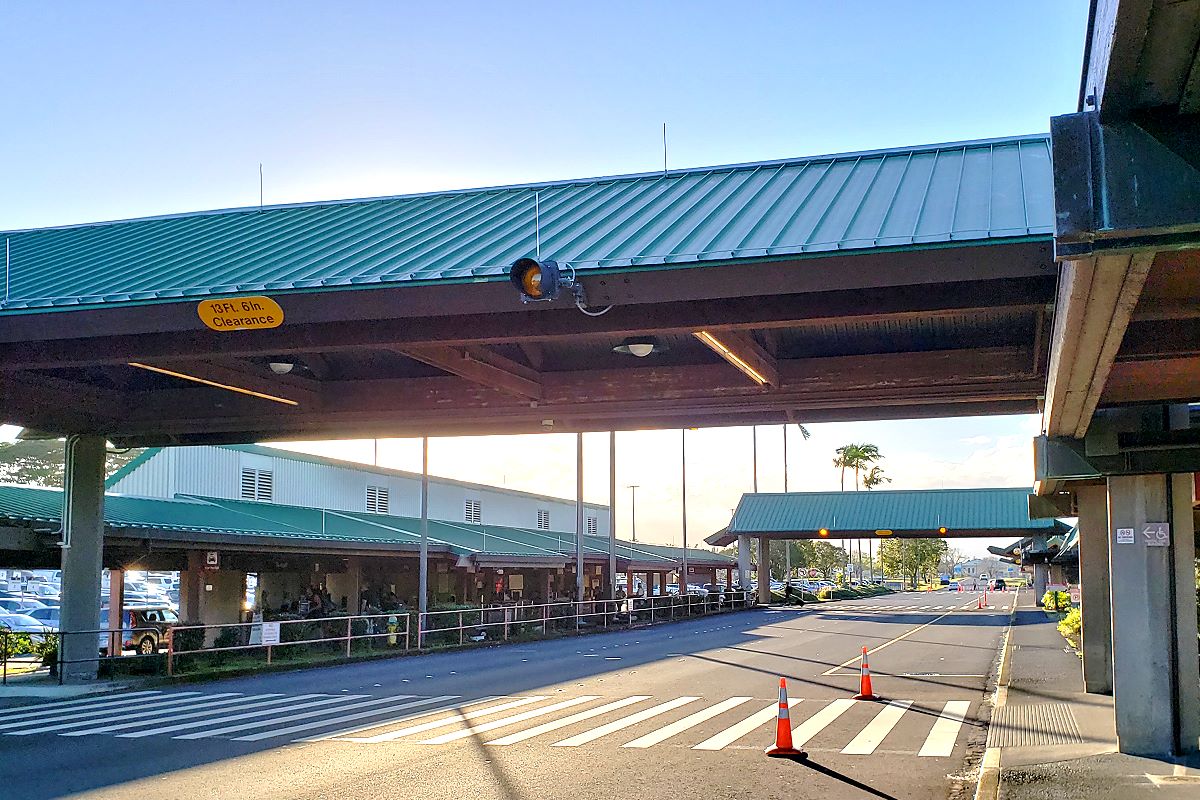
One of the first things you may notice about Hilo International Airport is how compact it feels.
Unlike Honolulu’s much larger airport, Hilo is relatively simple to navigate. Getting off the plane, collecting your luggage, and making your way outside is straightforward.
If you have booked a guided tour, the airport is not so large that finding your guide should feel overwhelming. As long as you know your designated meeting point, the process is generally simple.
There are not many shops inside the airport, although you can find places for a quick bite or a drink. Think of Hilo as a practical arrival point rather than an airport where you need to set aside much time for shopping or exploring.
The Essential Stops Inside Hawaii Volcanoes National Park
Hawaii Volcanoes National Park is much larger and more varied than many first-time visitors expect.
This is not a place where you simply stop at one viewpoint, see a volcano, and leave. Enormous craters, steaming ground, rainforest, lava tubes, vast hardened lava fields, and the Pacific coastline all exist within the park.
For a first visit, these are some of the places worth making time for.
Halemaumau Crater: Where Kilauea Comes Alive
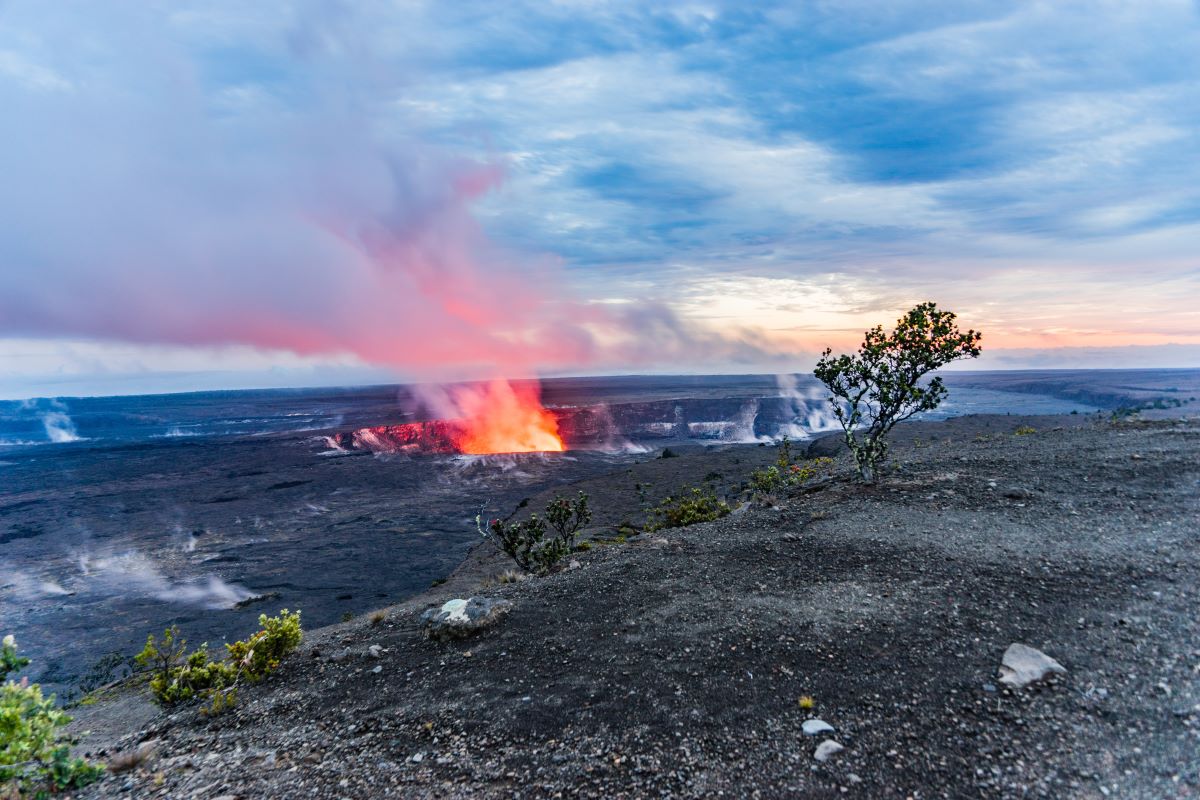
When people picture dramatic images of glowing lava at Hawaii Volcanoes National Park, Halemaumau Crater is often the landscape they have in mind.
Set within Kilauea’s summit area, Halemaumau has been the focus of much of the volcano’s recent eruptive activity.
During active episodes, visitors may witness glowing lava and spectacular lava fountains rising above the crater. After dark, the red glow can become even more dramatic, creating a completely different experience from a daytime visit.
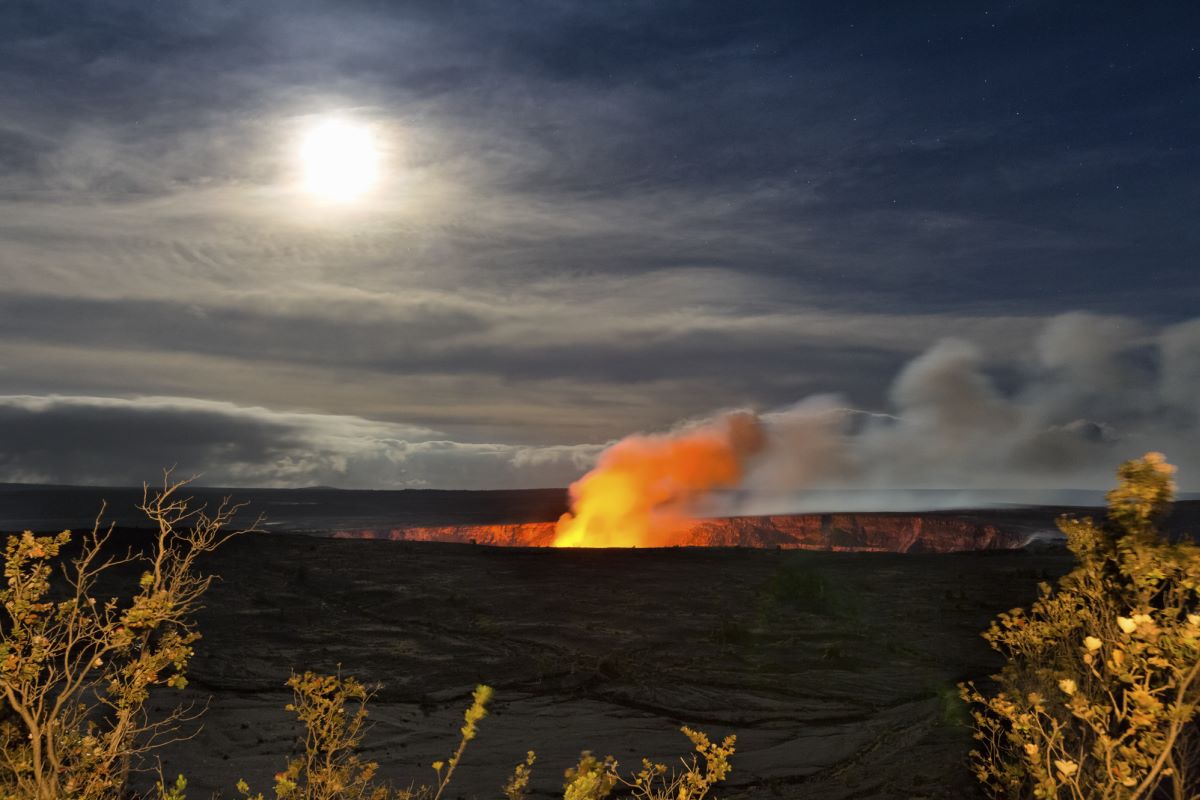
There is one important thing to remember, however: visiting Halemaumau does not guarantee that you will see red lava.
Kilauea can alternate between periods of intense activity and pauses. On an active day, the display can be extraordinary. If your visit falls during a quiet period, there may be no visible lava at all.
The best approach is not to visit expecting a guaranteed lava show, but to think of an eruption as an extraordinary bonus if the timing happens to be right.
Visitors do not enter Halemaumau itself. The crater is viewed from designated areas such as Uekahuna and Kilauea Overlook.
Check the latest updates from the National Park Service and the USGS Hawaiian Volcano Observatory the day before or the morning of your visit.
Steam Vents
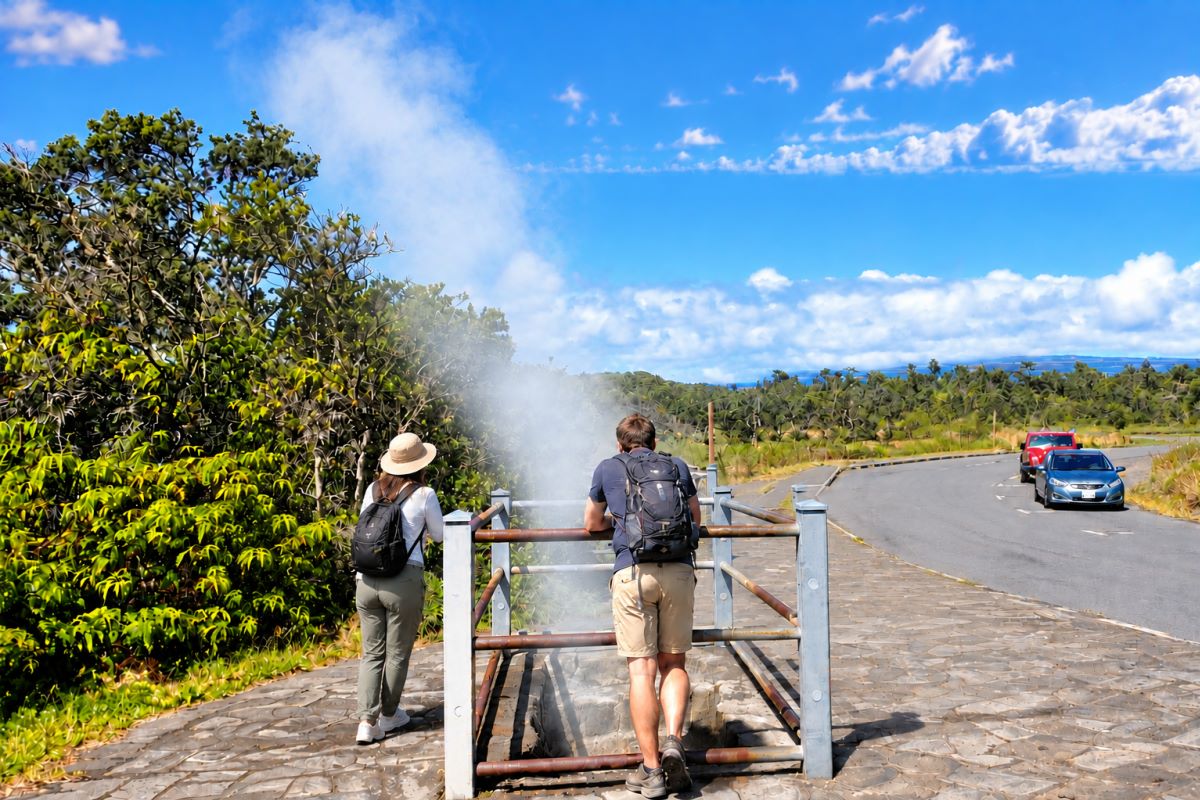
Around Kilauea’s summit, you will find places where white steam rises continuously from the earth.
Rainwater seeps into the ground, is heated by hot volcanic rock below the surface, and returns as steam.
It may be a relatively quick stop, but even when there is no glowing lava in sight, the Steam Vents are a vivid reminder that there is still tremendous heat beneath the ground you are standing on.
Thurston Lava Tube
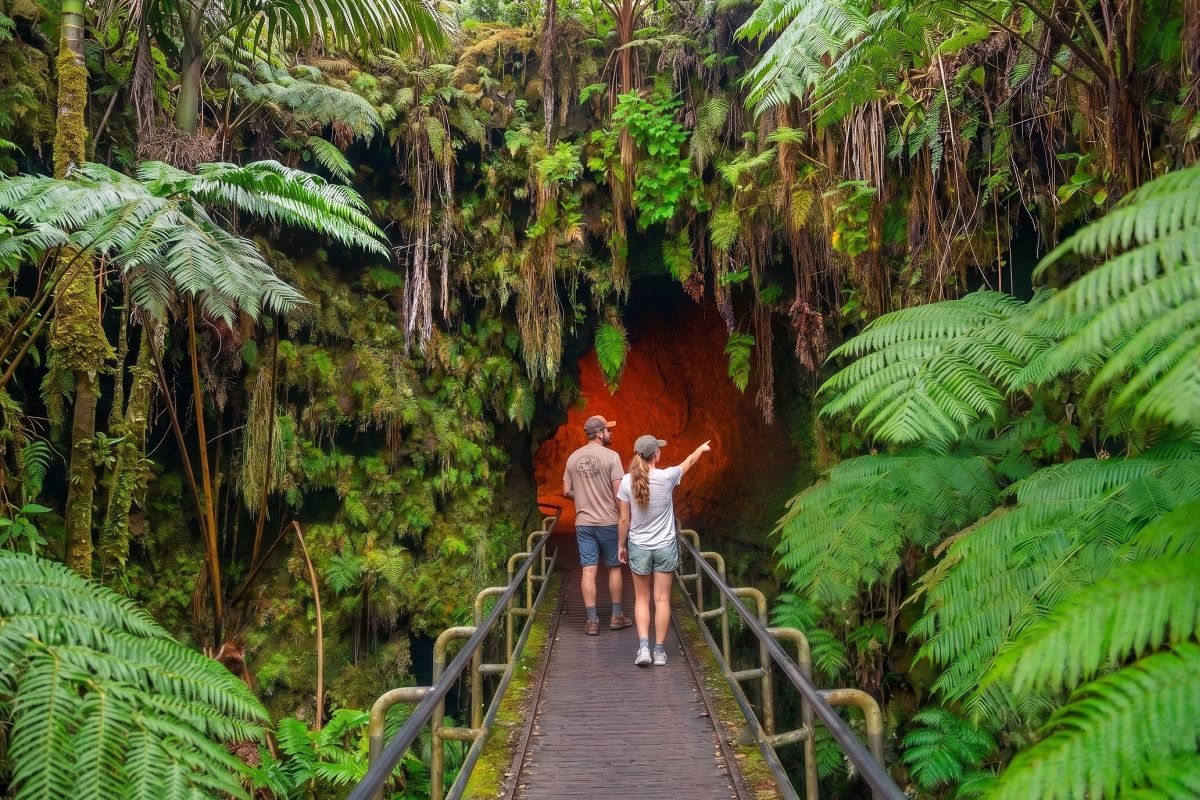
Then the scenery changes completely.
Step into a lush rainforest and you will find the Thurston Lava Tube, a natural tunnel created by flowing lava.
As lava moved through the area, its outer surface cooled and hardened while molten lava continued flowing inside. When the lava eventually drained away, it left behind the hollow passage visitors can walk through today.
It is remarkable how quickly the landscape changes. Minutes after looking across an immense crater or black lava field, you can find yourself surrounded by dense tropical vegetation.
Walking through the forest and into the lava tube is one of the park’s most memorable experiences.
Kilauea Iki: Walking Through the Legacy of a Giant Eruption
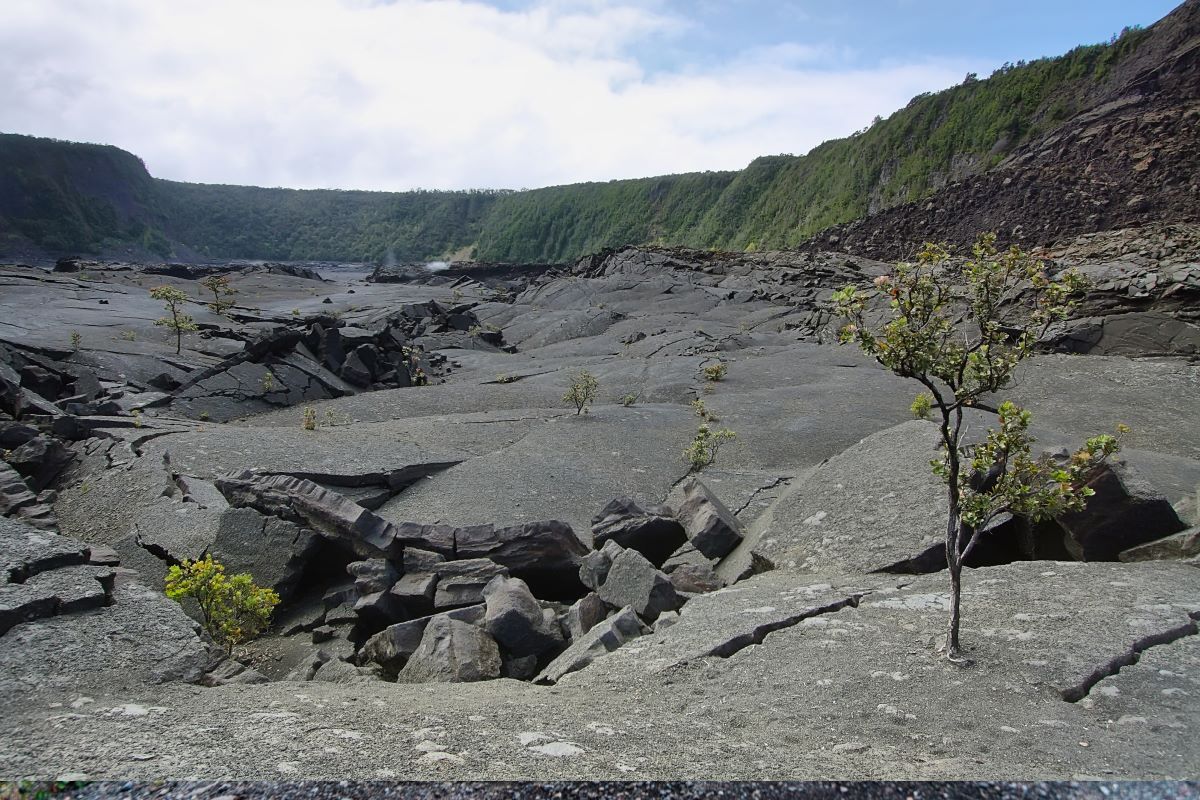
Kilauea Iki should not be confused with Halemaumau, the focus of much of Kilauea’s current eruptive activity.
This crater was the site of a spectacular eruption in 1959, when lava fountains reached approximately 1,900 feet (580 meters) and a vast lava lake formed on the crater floor.
Today, visitors look down across the solidified landscape left behind by that eruption.
If you have enough time, the Kilauea Iki Trail allows you to descend and walk across the crater floor. If your schedule is shorter, the overlook alone gives you a strong sense of its scale.
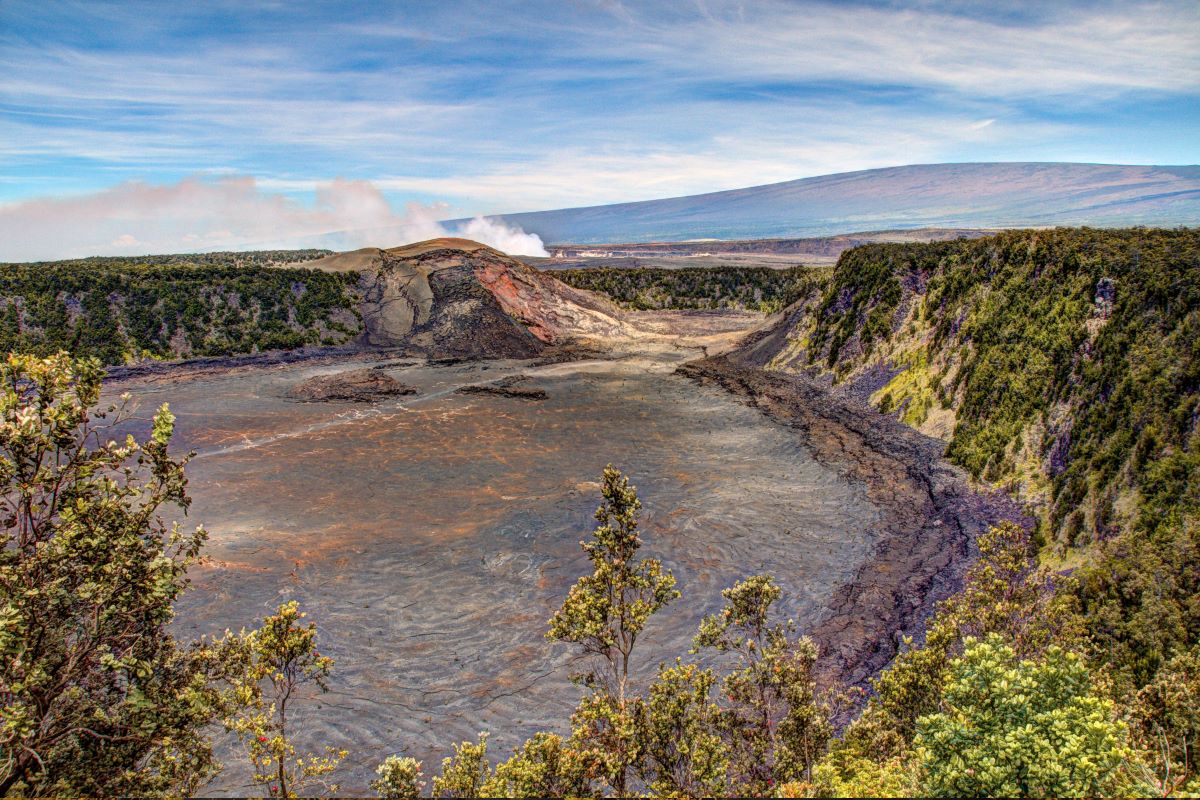
An easy way to think about the difference is this: Halemaumau offers a window into Kilauea’s living, present-day activity, while Kilauea Iki reveals the powerful evidence of a historic eruption.
Chain of Craters Road: A Drive That Feels Like Another Planet
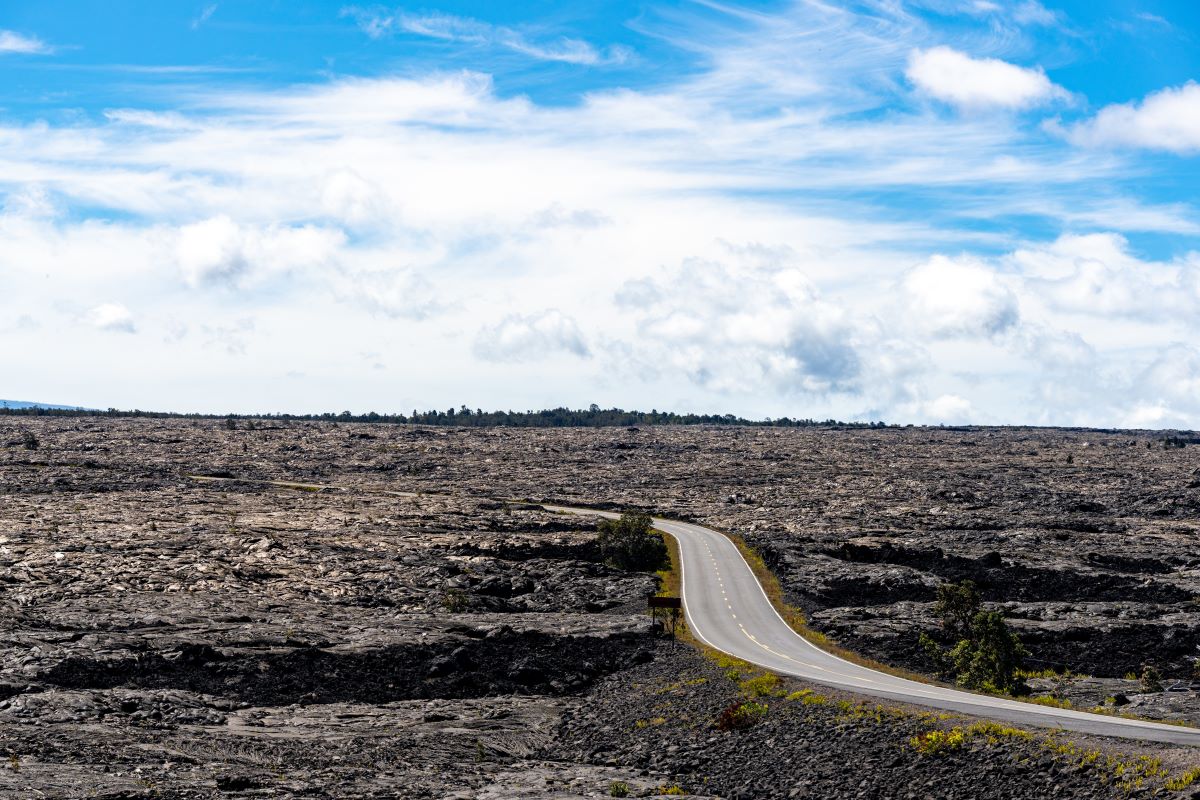
One experience we would not want to miss at Hawaii Volcanoes National Park is Chain of Craters Road.
Beginning near Kilauea’s summit and continuing roughly 19 miles toward the Pacific coast, it is much more than a road connecting one attraction to another.
The drive itself is part of the experience.
At first, the road winds through trees and vegetation. Gradually, the scenery begins to change. Old craters appear, and then enormous expanses of hardened black lava start to dominate the landscape.
As the road descends from the summit toward the coast, both the scenery and climate continue to shift.
The route feels long, remote, and wonderfully unusual. With few buildings or towns in sight and volcanic terrain stretching in every direction, there are moments when it can feel as though you are driving across another planet.
That sense of journey, rather than any single stop, is what makes Chain of Craters Road so memorable.
Kealakomo Overlook
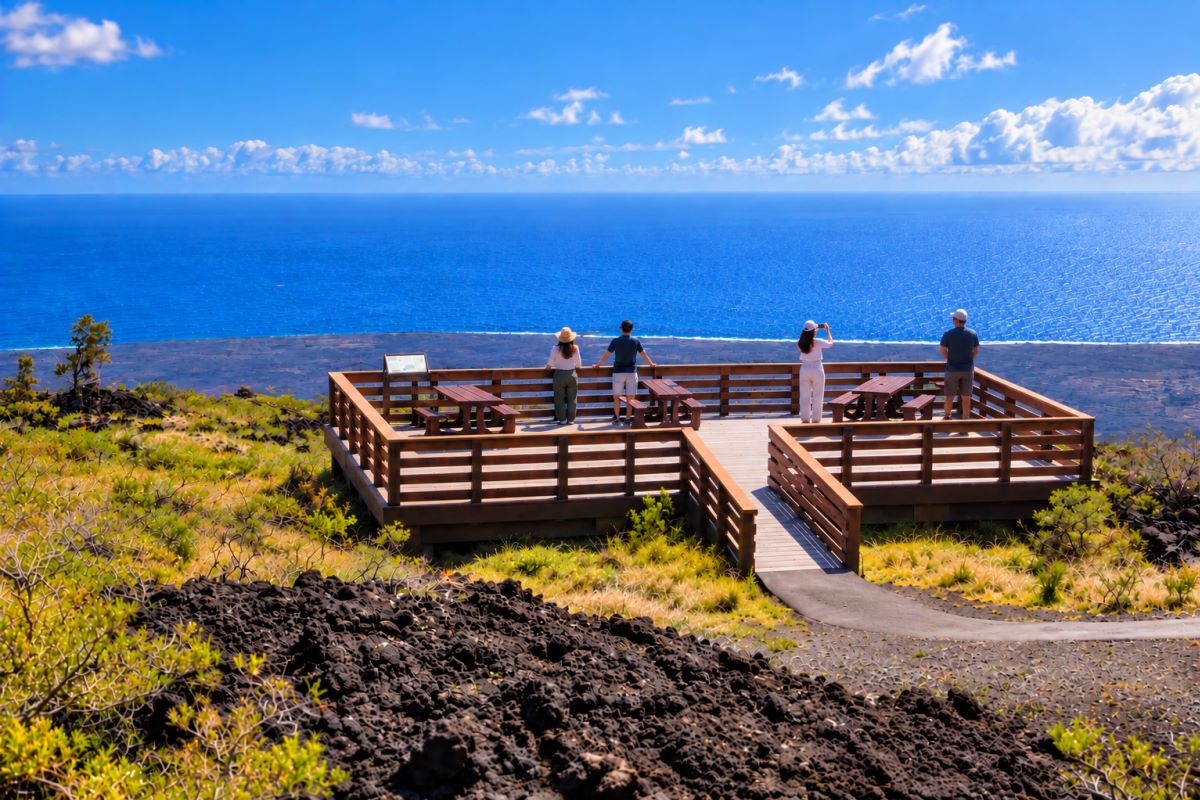
Along Chain of Craters Road, Kealakomo Overlook is well worth a stop.
From this elevated viewpoint, broad lava fields stretch toward the deep blue Pacific below.
It is one of those places where the scale of the landscape suddenly makes sense. You can begin to appreciate how lava traveled down the slopes over time and reshaped an enormous section of the island.
If your schedule allows, continue farther down Chain of Craters Road toward the coast.
The journey from the cooler Kilauea summit, through forest and craters, across vast black lava fields, and finally toward the Pacific is an experience in itself.
Even on a day when no red lava is visible, this drive is one of the best places to understand, and feel, that the Big Island truly is land created by volcanoes.
Beyond the Volcano
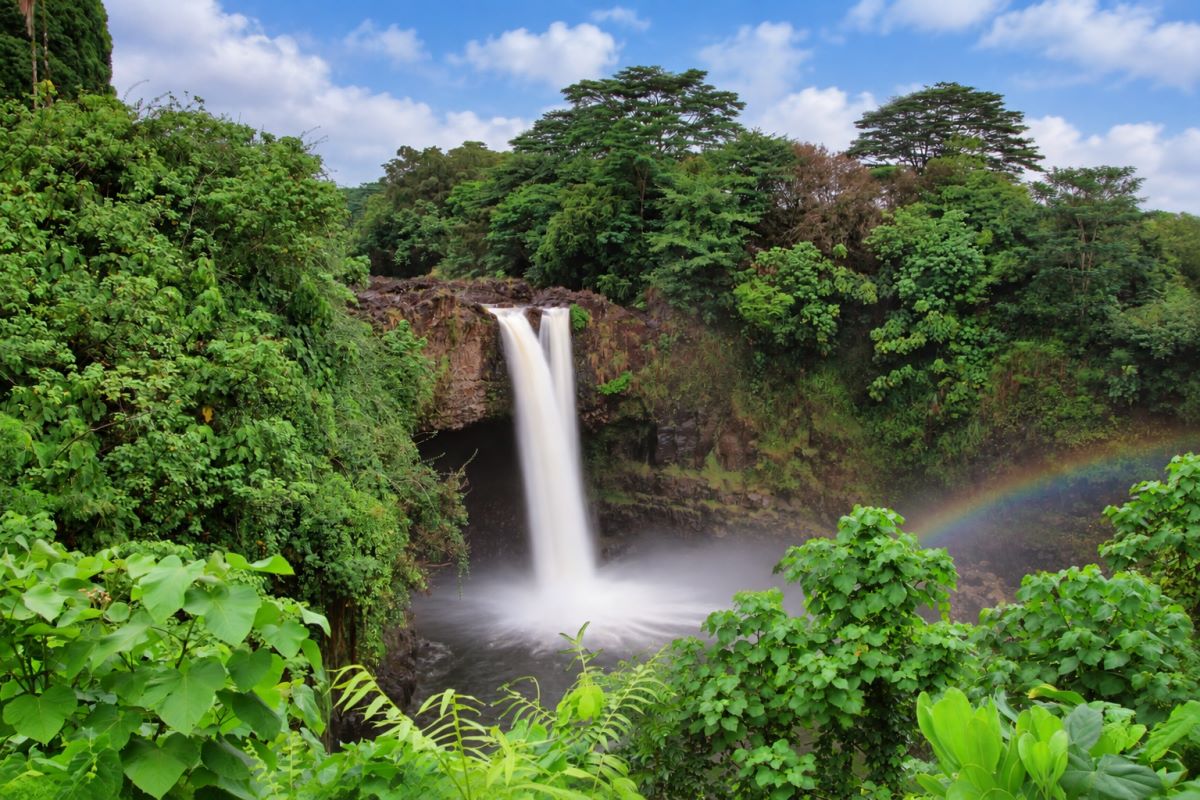
If you are traveling through Hilo, it is easy to combine the national park with a few highlights on the island’s east side.
Rainbow Falls is one of the most accessible, offering a classic Hilo combination of lush tropical greenery and a waterfall.
Near the waterfront, Liliuokalani Gardens offers a peaceful change of pace, while Hilo Farmers Market and Big Island Candies can also make enjoyable stops depending on your schedule.
Kona is often associated with resorts, beaches, and the drier western coast. Hilo feels distinctly greener and more tropical. Experiencing both sides of the island reveals just how varied the Big Island can be.
Hilo Weather and What to Wear
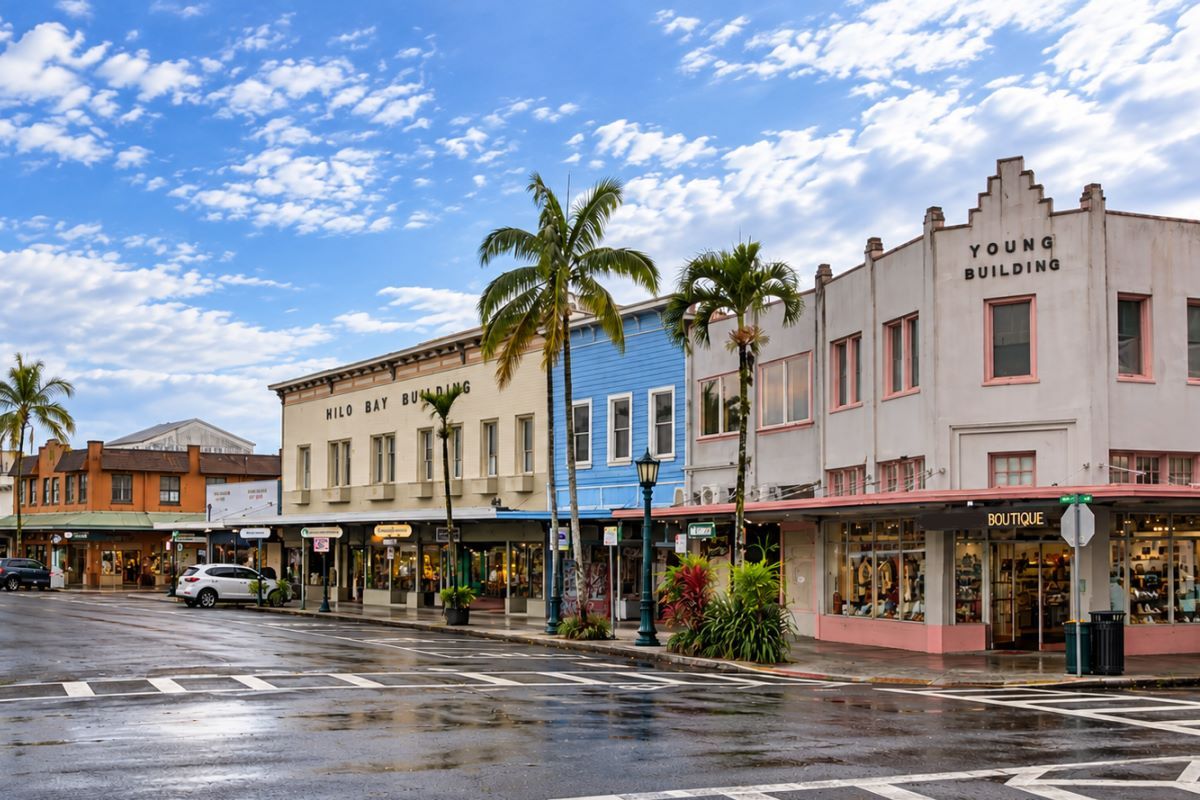
Hilo is one of the rainier parts of Hawaii. During a typical visit, brief showers that pass and give way to clearer skies are common, and even if the weather looks fine in Hilo, you may encounter clouds or light rain by the time you reach the national park.
Kilauea’s summit sits at roughly 4,000 feet (about 1,200 meters), so temperatures are cooler than at sea level. Add wind or passing rain, and a T-shirt can suddenly feel a little too light.
Drive down Chain of Craters Road toward the coast and the weather may change again, becoming noticeably warmer and drier.
In other words, a single day can bring several different versions of Big Island weather.
If you are planning to bring a jacket anyway, a lightweight rain jacket or water-resistant windbreaker is especially practical. It works for passing showers in Hilo and also provides an extra layer against the cooler air around Kilauea’s summit.
Comfortable walking shoes, water, and sunscreen are also worth bringing.
A Few Things to Know About Visiting an Active Volcano
Kilauea is an active volcano, and that makes this national park different from many others.
Volcanic gas levels can vary depending on activity and wind direction. Travelers with respiratory or heart conditions, as well as young children and pregnant visitors, should pay particular attention to current air-quality and volcanic-gas guidance.
Stay behind designated safety barriers and never enter closed areas.
Road and trail access can also change with volcanic activity or weather, so it is wise to check the National Park Service’s current conditions before setting out.
Hawaii Volcanoes National Park itself is open 24 hours, although visitor centers and individual facilities have their own operating hours.
Can You Really See the Big Island in Just One Day?
Yes; but it helps to be realistic about how much you can cover.
It is possible to fly from Oahu to Hilo in the morning, explore Hawaii Volcanoes National Park and a few Hilo-area highlights, and return to Honolulu on an evening flight.
But the Big Island lives up to its name. There is a great deal to see, and distances are much greater than many first-time visitors expect.
If you only have one day, it is better to concentrate on Hilo and the essential sights of Hawaii Volcanoes National Park rather than trying to see everything.
For first-time visitors, particularly those coming from Oahu for the day, a guided tour can also be a convenient way to cover the key sights efficiently without spending the day planning routes and timing each stop.
If you have more time and plan to spend two or three days, or longer, exploring the Big Island, it is worth experiencing both Kona and Hilo.
The island’s west and east sides differ dramatically in scenery and atmosphere, making them feel almost like two different Hawaiian journeys on the same island.
Rental Car or Guided Tour?
The final decision is how you want to explore.
If you are staying on the Big Island for several days and want to explore beyond the national park, a rental car offers the most freedom.
You can set your own schedule, linger at a viewpoint that catches your attention, and expand your trip to include both Hilo and Kona.
For a one-day visit from Oahu, however, a guided day tour can be especially convenient.
Flying into Hilo early in the morning, picking up a rental car, navigating unfamiliar roads and multiple stops, returning the car, and making an evening flight can turn a sightseeing day into a fairly tight schedule.
With a guided tour, you can meet your guide in Hilo, visit the major highlights of Hawaii Volcanoes National Park and the Hilo area, and return to the airport without having to manage every part of the route yourself. For first-time visitors, hearing the stories behind the volcanic landscape and its history can also add another dimension to the experience.
Ultimately, the right choice depends on your itinerary and travel style.
If you have several days to explore the Big Island at your own pace, a rental car makes sense. If you are flying over from Oahu and want to make the most of a single day, a guided tour can make the experience easier and more efficient.
Either way, the Hawaii you encounter here feels very different from Waikiki.
Turquoise water and palm trees are only one side of Hawaii.
Here, new vegetation grows across hardened lava, rainforest surrounds ancient lava tubes, and deep below the surface, the forces that created these islands are still at work.
You may or may not see glowing lava. But the Hawaii it created is always there.
And that alone is reason enough to experience Hawaii Volcanoes National Park at least once.
Ways to visit: Big Island day tours, or the Hilo volcano day tour from Oahu if you are staying in Waikiki.
0 Comment